Research
BreadCell worked on five connected themes: from wood pulp fibres to renewable foams, their use in sandwich structures and mobility, and their safety and sustainability.
Towards renewable foams
We develop radically new technologies to produce porous lightweight low-density materials based on natural resources. Our main material is wood pulp fibers that are commonly used for paper manufacturing.
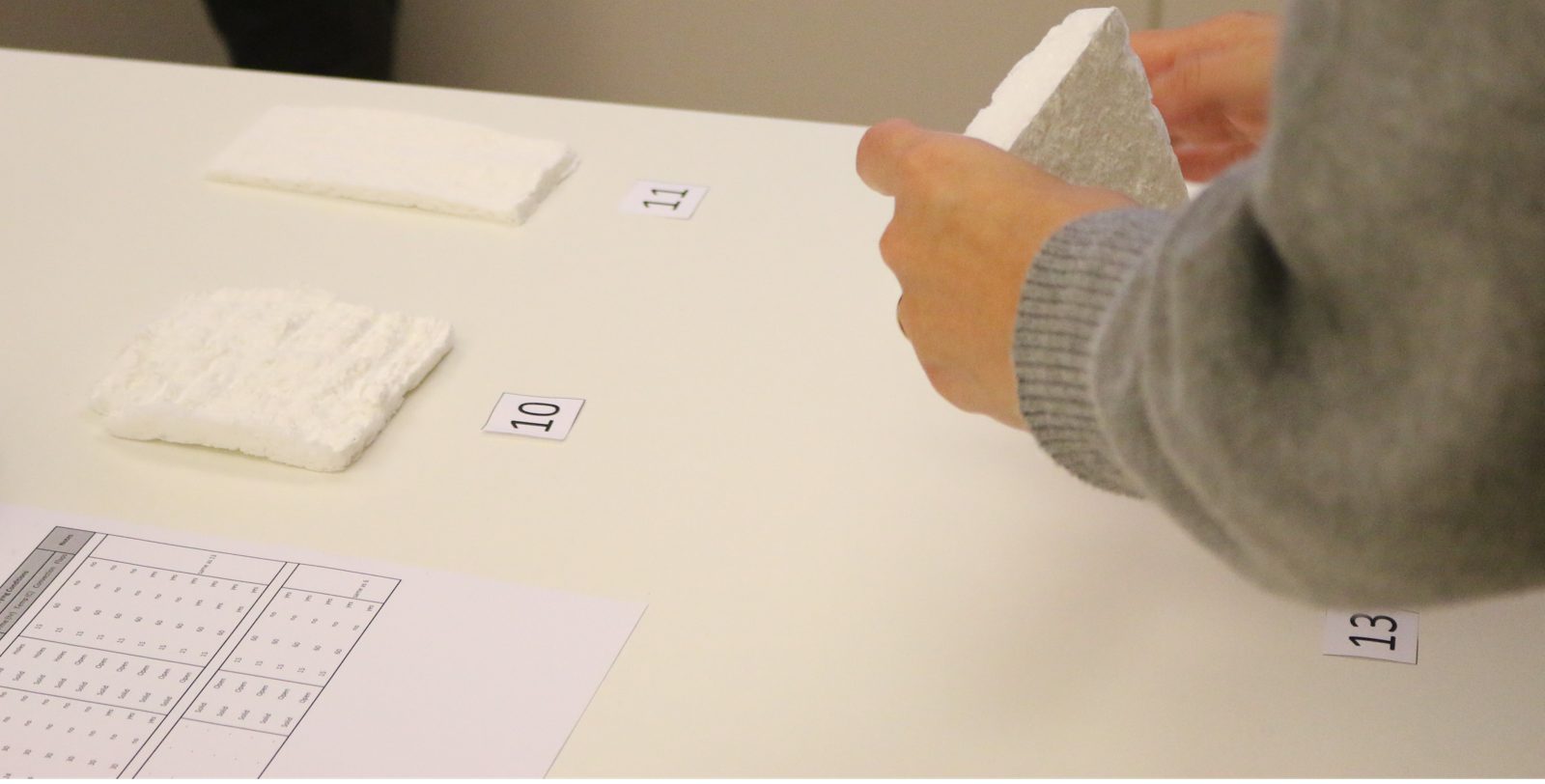
In BreadCell we work together to develop foaming processes that use wood fibers and wood macromolecules. We convert the renewable raw materials to high value, lightweight, energy-absorbing and load-transferring composites such as those used in sports and safety components of cars.
Wood pulp fibers
Wood pulp fibers are mainly produced via sulfate and sulfite pulping processes. We use hardwood and softwood fibers from the sulfate process, also known as the kraft process. The softwood fibers are on average 3 mm long while the hardwood fibers are shorter, up to 1 mm in length.
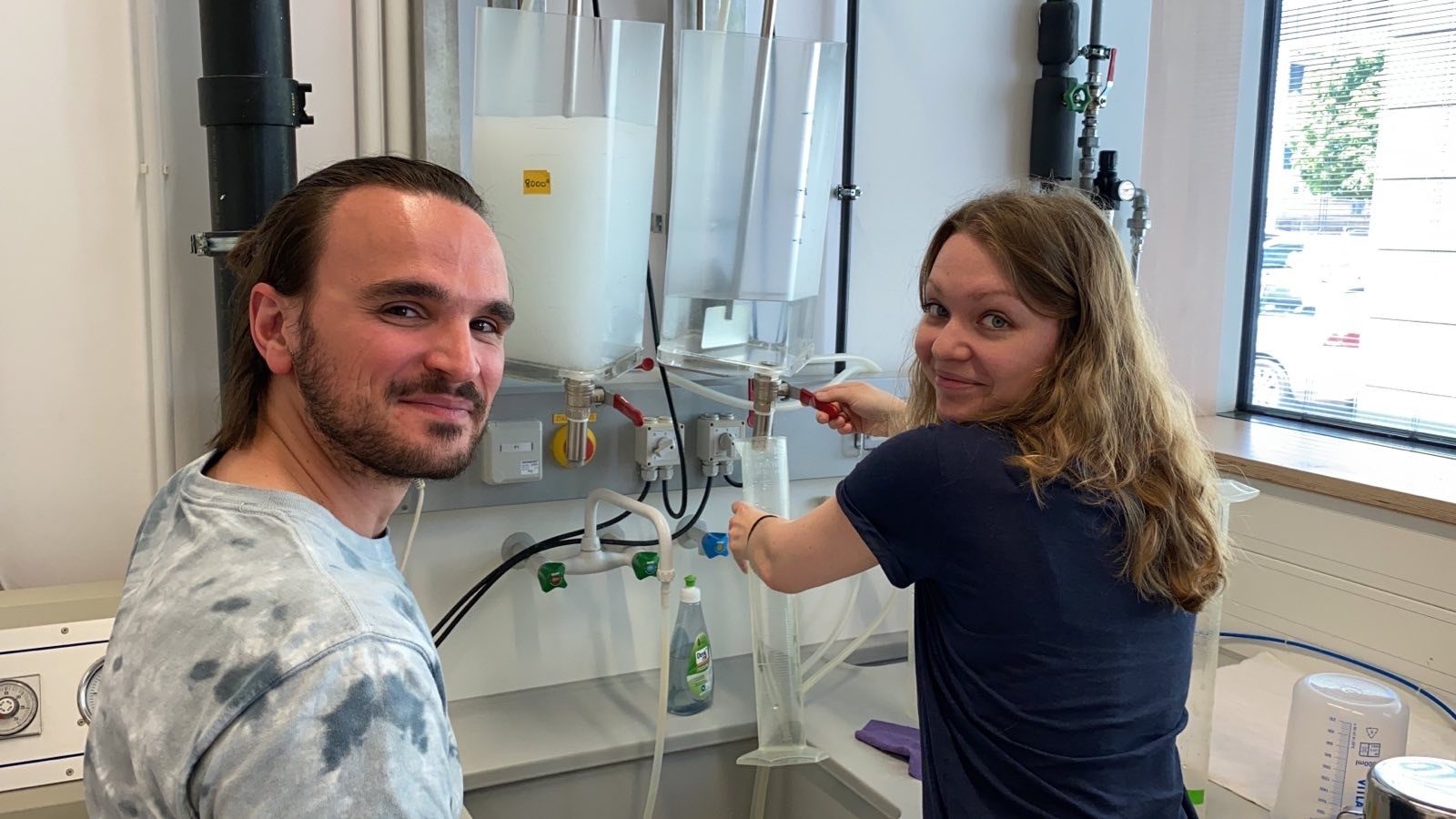
Do you know how paper is made in the laboratory?
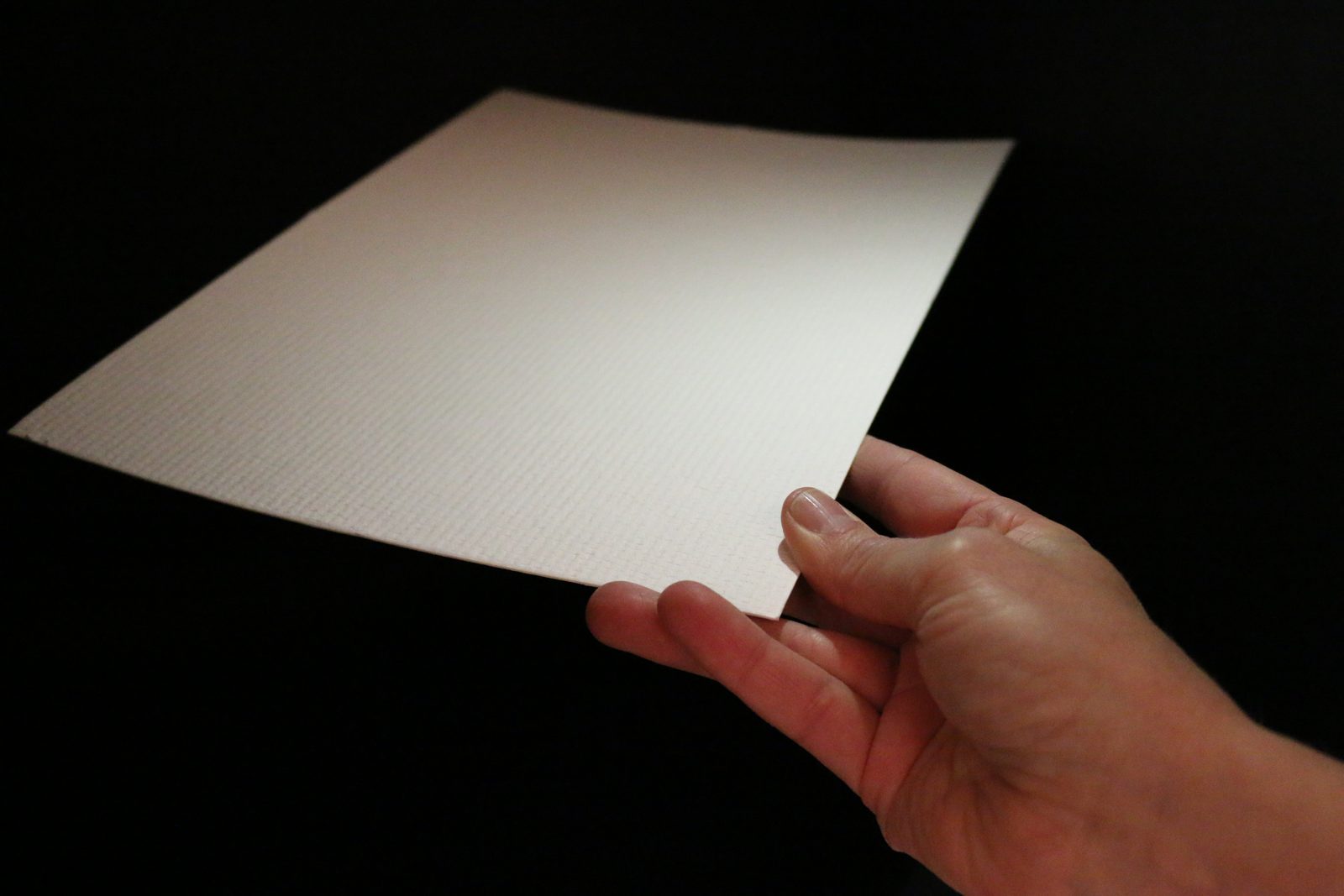
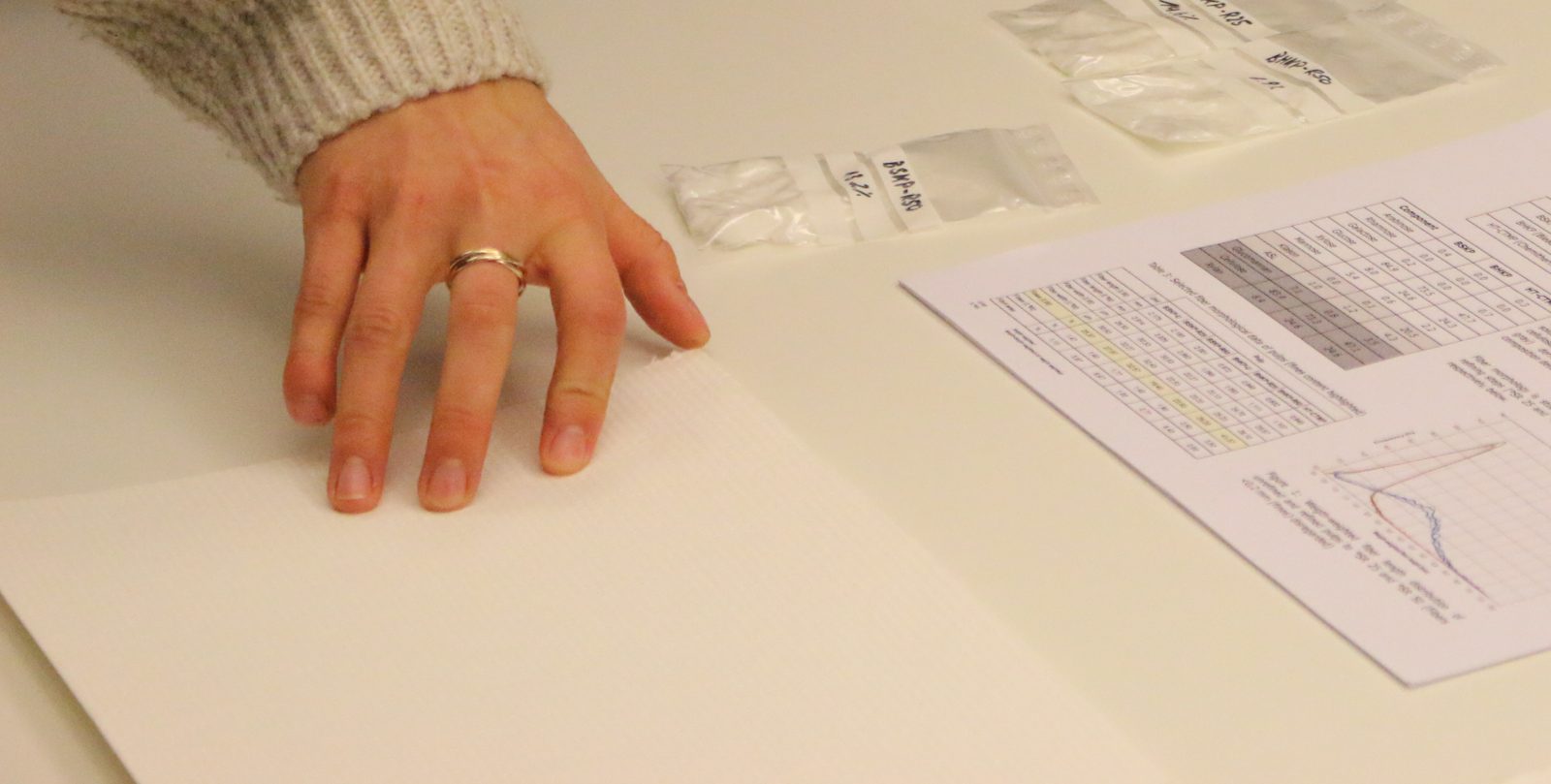
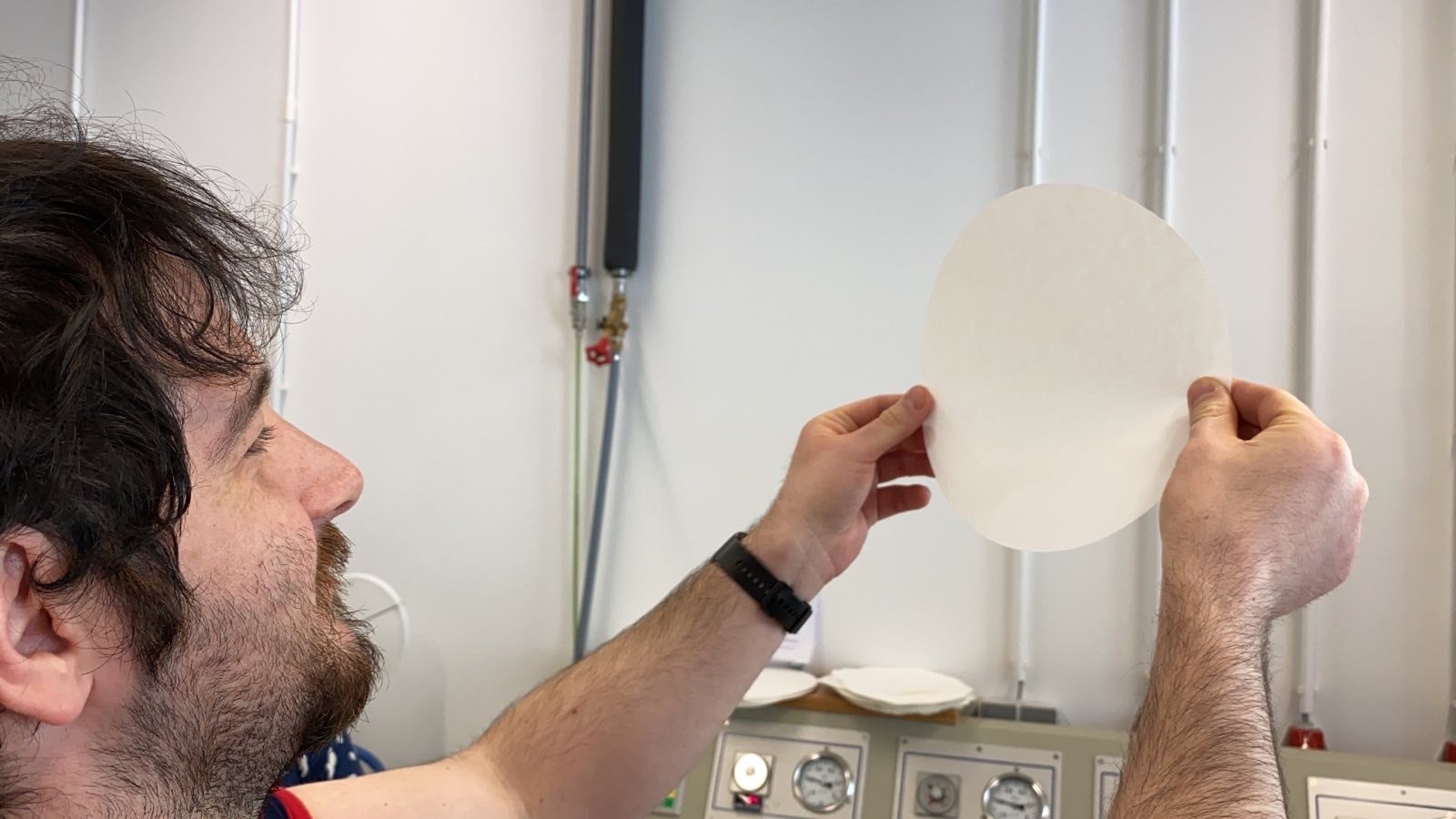
Wood pulp fibers are suspended in water to make a slurry. Additives such as retention aids and strength promoters may be added, and the slurry is formed into sheets of paper (handsheets) that are used in the laboratory to analyse the paper properties.
Foams for safer, greener vehicles
More renewable drive concepts and the use of bio-based and carbon-neutral materials in car interiors and structures are current endeavours within sustainable mobility. Materials such as pineapple leaves for a bio-based faux suede, or agave plant fibres to reinforce bioplastics, are already used in interiors – for example in pillar covers, dashboards, engine covers, engine insulation and spare tyre covers. For structural components, renewable materials are still limited because of challenges with durability, variability, manufacturing processes and the lack of material models. However, research projects like HAMMER, WoodC.A.R., Forstschritt and the Japanese Nano-Cellulose Vehicle project have already shown that bio-based products are feasible for structural applications in vehicles.
Analysis of foams for mobility
To replace synthetic foams like expanded polypropylene (EPP) and expanded polystyrene (EPS), new materials must be describable in a numerical model that predicts their behaviour. Structure–property relationships are established using microCT combined with quasi-static and dynamic mechanical testing.
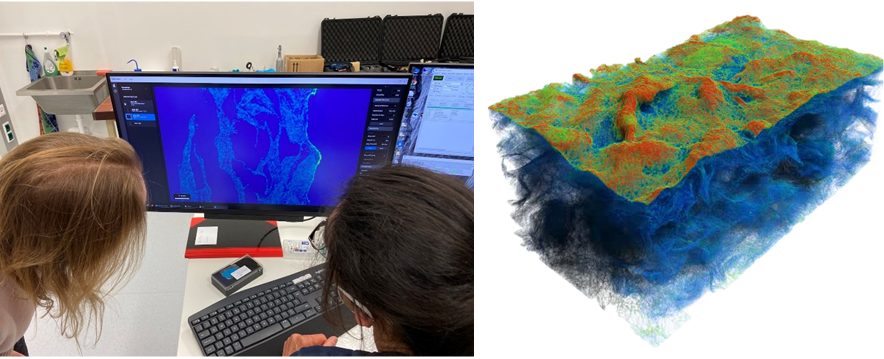
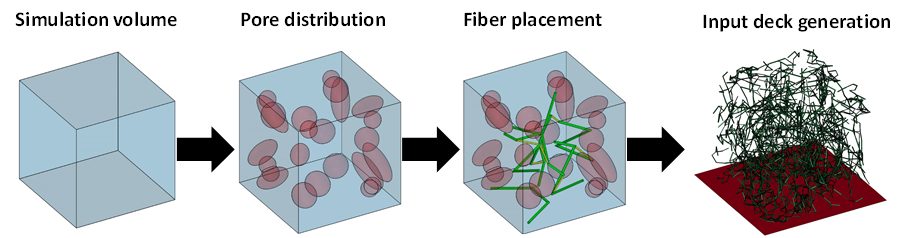
Once the model is validated, it is used to identify the main parameters influencing the foam properties. This is done with a morphology generator tool, where foam and fibre parameters can be freely selected to create a generic network structure.
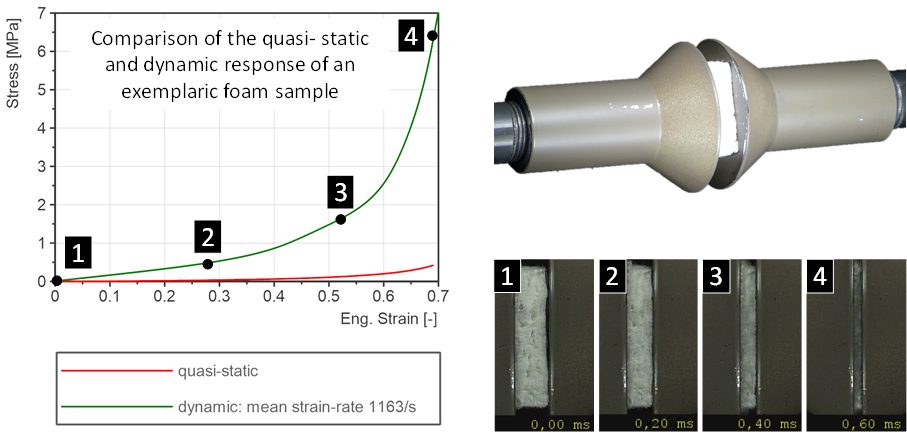
Loading rate is especially relevant in mobility. To investigate its effect, dynamic testing with a Split Hopkinson Pressure Bar is performed, so the quasi-static and dynamic material response can be compared.
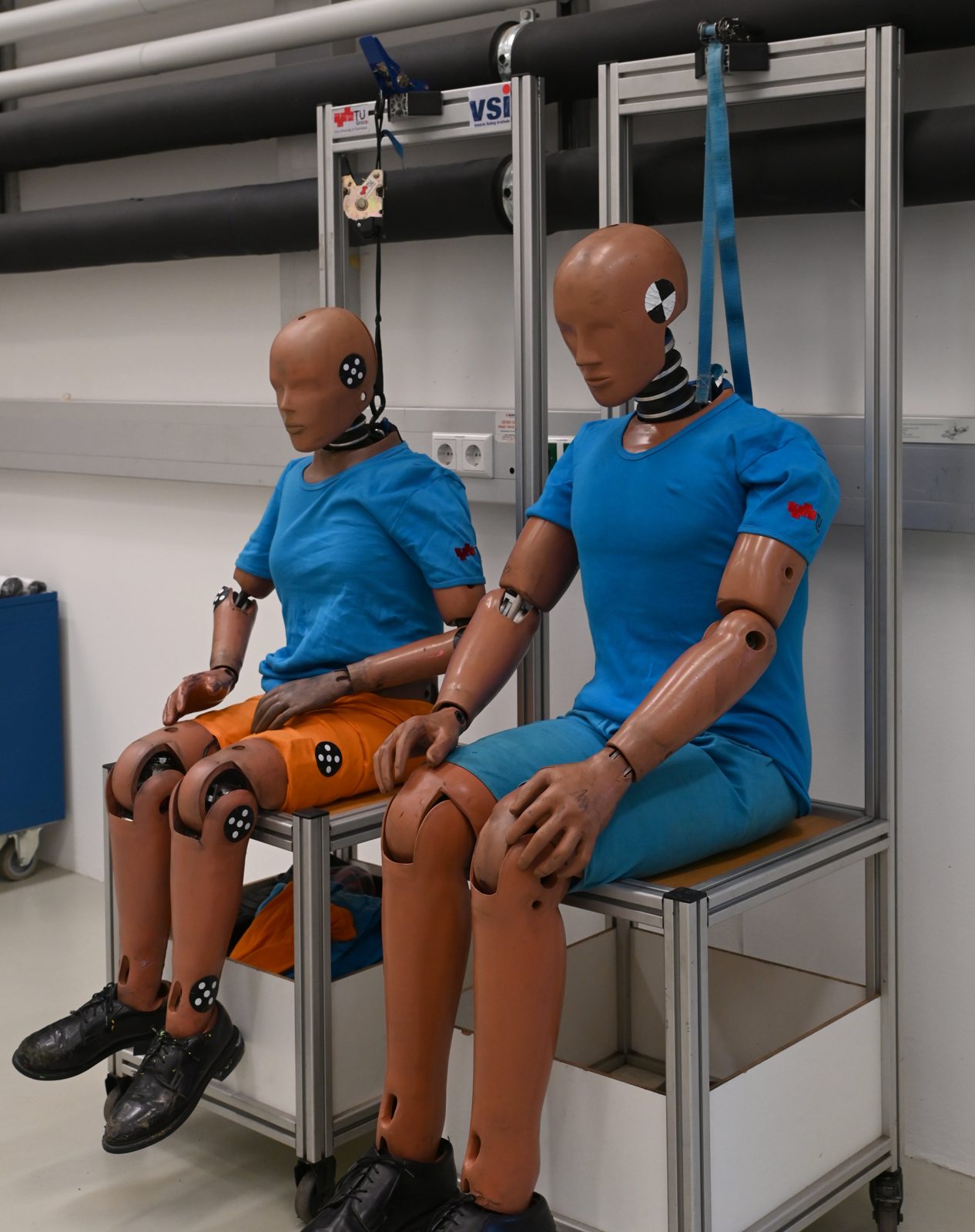
Analysis of foam crashworthiness
Performance in sustainable mobility can then be tested in conditions closely equivalent to real use cases. The work led to the BreadCell bicycle helmet demonstrator.
Fibre foam cores
Foams are commonly used as cores for sandwich structures because of their low density and good mechanical performance. However, most core foams and sandwich composites are currently made from plastics, which become non-degradable waste after failure.
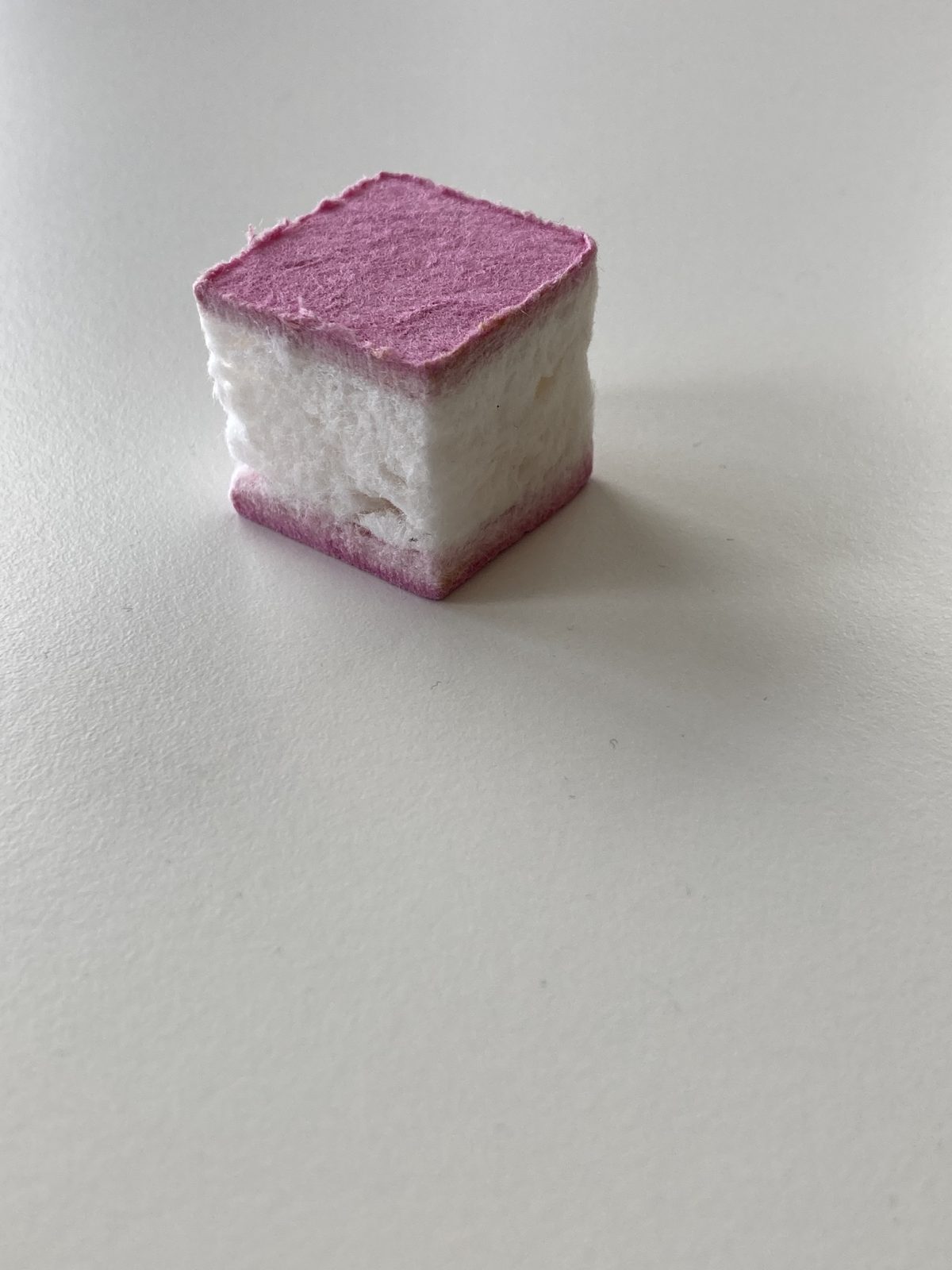
In BreadCell we built sandwich constructions based on pulp fibre foam cores. The density and mechanical properties of the foam and the sandwich structure are controlled to compete with commercial plastic products – and the forest-based foams and sandwich structures can even be recycled after failure.
Safe and sustainable by design
Within the European Green Deal, the Chemicals Strategy for Sustainability identified a series of interventions to reduce the impacts on human health and the environment of chemicals, materials, products and services placed on the EU market. Its action plan foresees a framework of safe and sustainable by design (SSbD) criteria for chemicals and materials, going beyond current regulatory compliance.
The BreadCell process was guided by SSbD principles to ensure sustainable and intrinsically safe products. This required systems and processes to assess and control the risks of environmental impacts and health and safety hazards, a safety testing strategy for intermediate and final BreadCell foams, and partners applying the design, communicating and providing feedback for continuous improvement.
Safety and sustainability assessment I (PDF) · Evaluation II (PDF)